
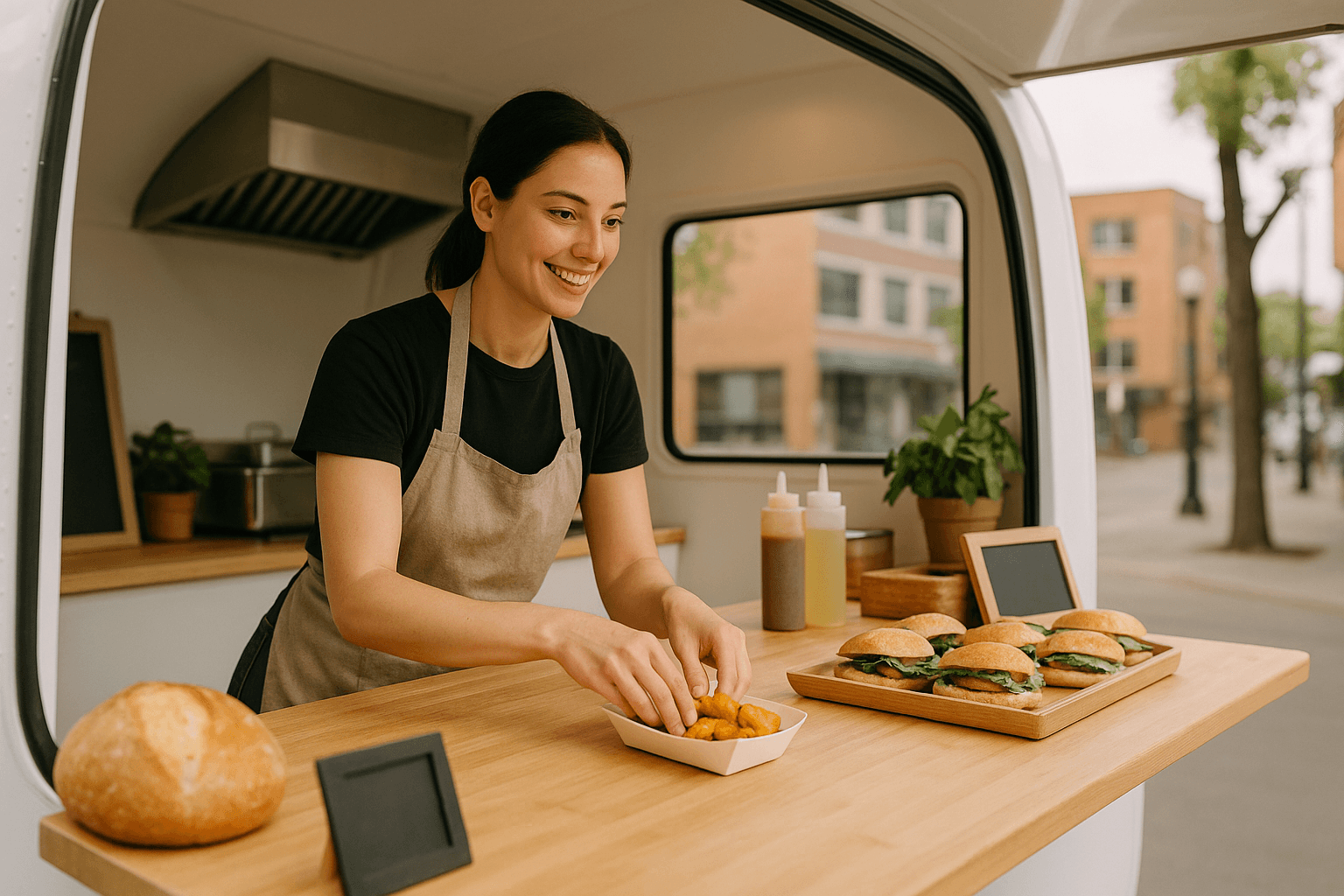
Whyte Ave Revitalization Pop-Ups: Food entrepreneurs
Showcasing pop up restaurant concepts and food entrepreneur collaborations
Edmonton’s culinary scene is experiencing a wave of innovation as a surge of food incubator spaces breathes new life into the city’s diverse neighborhoods.
What might once have been overlooked storefronts or empty lots are now the epicenters for collaboration, creativity, and risk-taking by food entrepreneurs seeking both a stage and a proving ground.
The latest trend is clear: the rise of the pop up restaurant and shared culinary spaces is transforming not only how Edmontonians eat, but how they connect.
On bustling Whyte Ave, what has recently unfolded is more than just a passing food fad.
Vacant retail spaces, once a reflection of pandemic-era uncertainty, have become canvases for culinary reinvention.
In a series of informal partnerships and carefully structured collaborations, teams including visionaries from Menya Mori, Dorinku, and Pablo Cheese Tart have taken center stage.
According to local reports, they’ve worked closely with building owners eager to see their properties infused with new life rather than sitting idle.
Creativity born of necessity has led to bold experiments in multi-concept food halls and spontaneous dining experiences.
What sets these food incubator pop ups apart is their mix of flexibility and grit.
Not only do they allow multiple vendors to share kitchen and prep space, lowering the financial barrier for entry, but they also give food entrepreneurs real-time feedback from diners willing to try something unexpected.
One recent weekend event saw a ramen favorite set up shop alongside a Japanese cheesecake spot, both cross-promoting their menus to curious Edmontonians willing to stand in line for a taste.
Within a single pop up space, the city’s appetite for culinary adventure comes alive—a surefire sign that demand for innovation outweighs comfort with the status quo.
For emerging chefs and restaurateurs, the incubator model is an answer to escalating rents and changing customer expectations in Alberta’s capital.
Shared kitchens provide elbow room and community support while limiting start-up risk.
The mood is entrepreneurial, charged with equal parts optimism and unpredictability.
Whyte Ave is not alone in this movement.
Recent activity in downtown Edmonton, bolstered by ongoing recovery in the real estate sector, shows local demand for dynamic eateries and attractions is on the rise.
Former cafe spaces have hosted pop up restaurant experiments, featuring everything from handcrafted sushi to vegan comfort food, sometimes only for a weekend or a few short months.
The beauty of these food incubator spaces is that they invite culinary entrepreneurs to test daring ideas without gambling everything.
This is a marked contrast from previous eras, where aspiring chefs often faced an all-or-nothing bet: sign a long lease and hope customers follow.
Today’s food incubator model moves fast and reflects a new reality, Edmontonians crave change and love discovering the next great thing.
Every successful pop up or food entrepreneur collaboration also reflects a deeper partnership within Edmonton’s business community.
Landlords, formerly hesitant, have begun recognizing the financial and social benefits of inviting in local culinary talent instead of waiting for a single permanent tenant.
Local officials have expressed support, noting that this approach helps cut down on retail vacancies and brings vibrancy to previously quiet corners.
Food incubators and pop up restaurants are particularly appealing to young professionals and the city’s growing population of newcomers.
These dynamic spaces foster not just competition, but cross-pollination, food entrepreneurs swap tips, equipment, and sometimes even menu items in an environment that’s part boot camp, part festival, part urban lab.
This experimentation is what keeps Edmonton in the culinary spotlight of Alberta.
According to residents, the unpredictability is part of the charm.
“There’s always something different happening on Whyte,” one diner shared at a recent food incubator event.
“You get to root for new chefs, try food you can’t find anywhere else, and watch how the scene changes week by week.”
Behind the scenes, mentorship has proven nearly as important as foot traffic.
Established restaurateurs and chefs walk the hallway with newcomers, offering advice on costs, flavors, and viral marketing strategies.
Some pop up restaurant hosts have even launched workshops for aspiring food entrepreneurs, blending hands-on learning with community-building.
The hope is that some of these temporary efforts will eventually graduate into permanent restaurants or beloved local brands, cementing Edmonton’s place as an incubator for culinary talent.
The financial dynamics can be complicated, though community investment is rising along with interest from investors and property developers.
In the past year, several joint ventures between landlords and food entrepreneurs have resulted in multi-vendor kitchens that offer rotating menus, communal seating, and special event nights.
For the neighborhood, these projects bring more than just fillings for empty real estate—they offer a sense of place, a gathering point, and a spark for economic development.
Civic leaders are now exploring ways to streamline permits and zoning for food incubator concepts, aiming to foster even greater collaboration.
Regulatory shifts could help ensure that promising ideas get tested and refined locally before trying the leap to a standalone business.
Recent success stories showcase how pop up restaurants can jump-start culinary movements: a Korean street food pop up quickly drew rave reviews and media attention, sparking plans for a permanent home nearby.
Another incubator host saw artisan bakers and coffee roasters swap morning hours, maximizing the value of a single compact space throughout the day.
For diners, the biggest benefit is access, not just to new flavors, but to the personalities and stories behind the food.
There’s a real sense of intimacy in watching a concept take shape, risk being embraced or rejected right in front of you.
Pop up restaurant chefs respond directly to feedback, pivoting offerings and pricing to reflect what the community is craving.
Young people, families, and culinary tourists alike are now seeking out Edmonton’s incubator spaces, eager for the next experimental treat.
The city’s culinary pulse grows more energetic every year, with weekends now defined by anticipation over who will pop up next and what unexpected pairings might emerge.
It’s a perpetual beta test, where local appetite and entrepreneurial ambition drive constant reinvention.
Observers say the success of Whyte Ave’s revitalization effort is encouraging other Edmonton neighborhoods, and even some suburban communities, to try their hand at food incubators and collaborative pop up restaurant ventures.
The movement’s ripple effects can be seen in higher foot traffic, rising neighborhood pride, and a renewed energy in the city’s social calendar.
For food entrepreneurs, there’s both risk and reward in this new environment, but above all, there’s a sense that anything is possible.
As summer nears, look for even more experimental kitchens, seasonal food halls, and spontaneous tasting events to pop up across Edmonton’s landscape.
The food incubator boom is set to redefine not only what Edmontonians eat, but how the entire city shares in the excitement of culinary creation. |
0 Comments
Join the conversation
Be the first to comment
Share your thoughts above.